Unlock the Secret to
Thriving Plants
What is Vermiculite? Vermiculite is a naturally occurring mineral that expands when heated, creating a lightweight, sterile, and highly absorbent material perfect for gardening. Discover how Vermiculite can transform your garden, improve soil health, and provide superior insulation for your home.

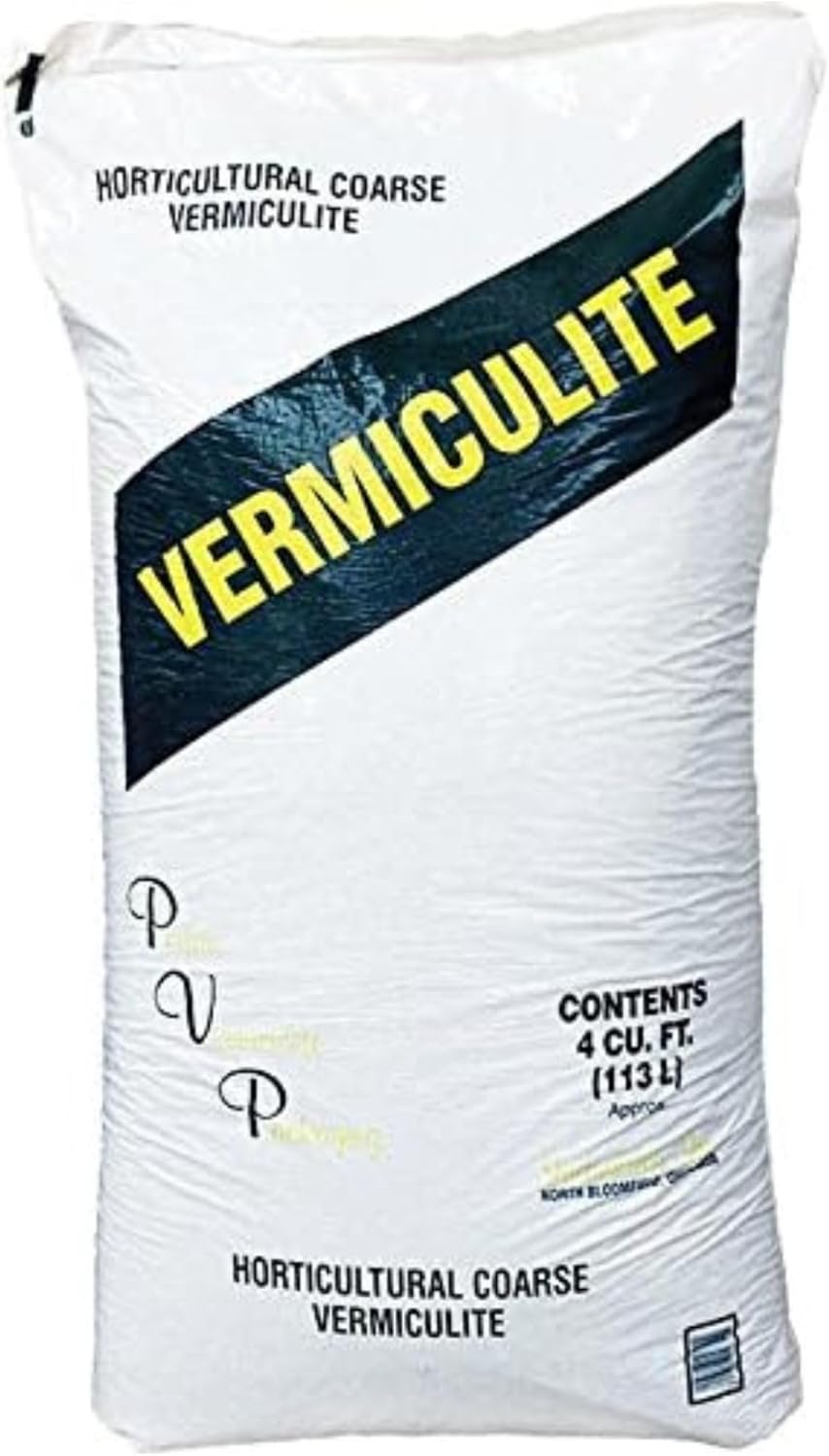

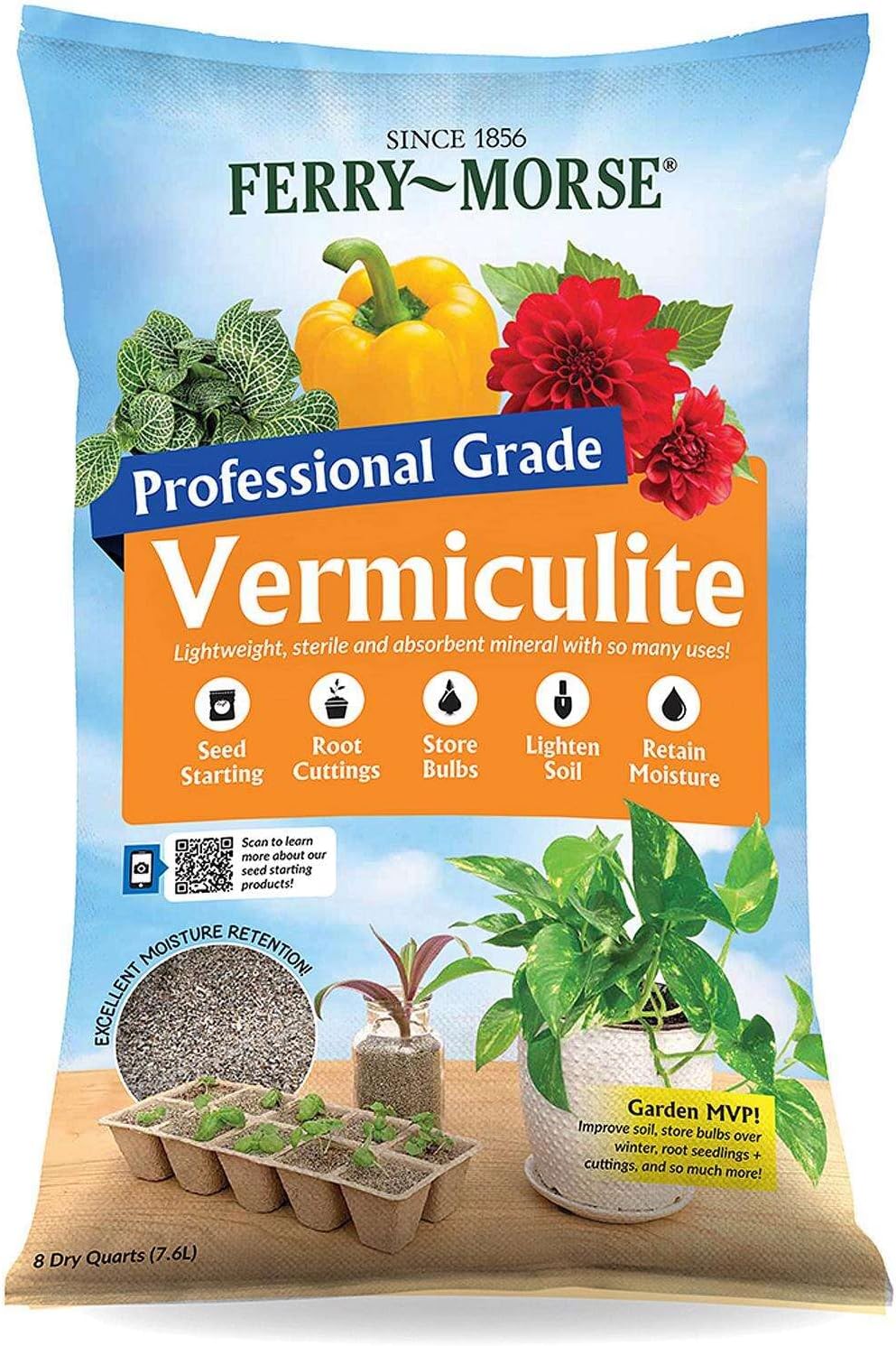

What is Vermiculite?
What is Vermiculite Made Of?
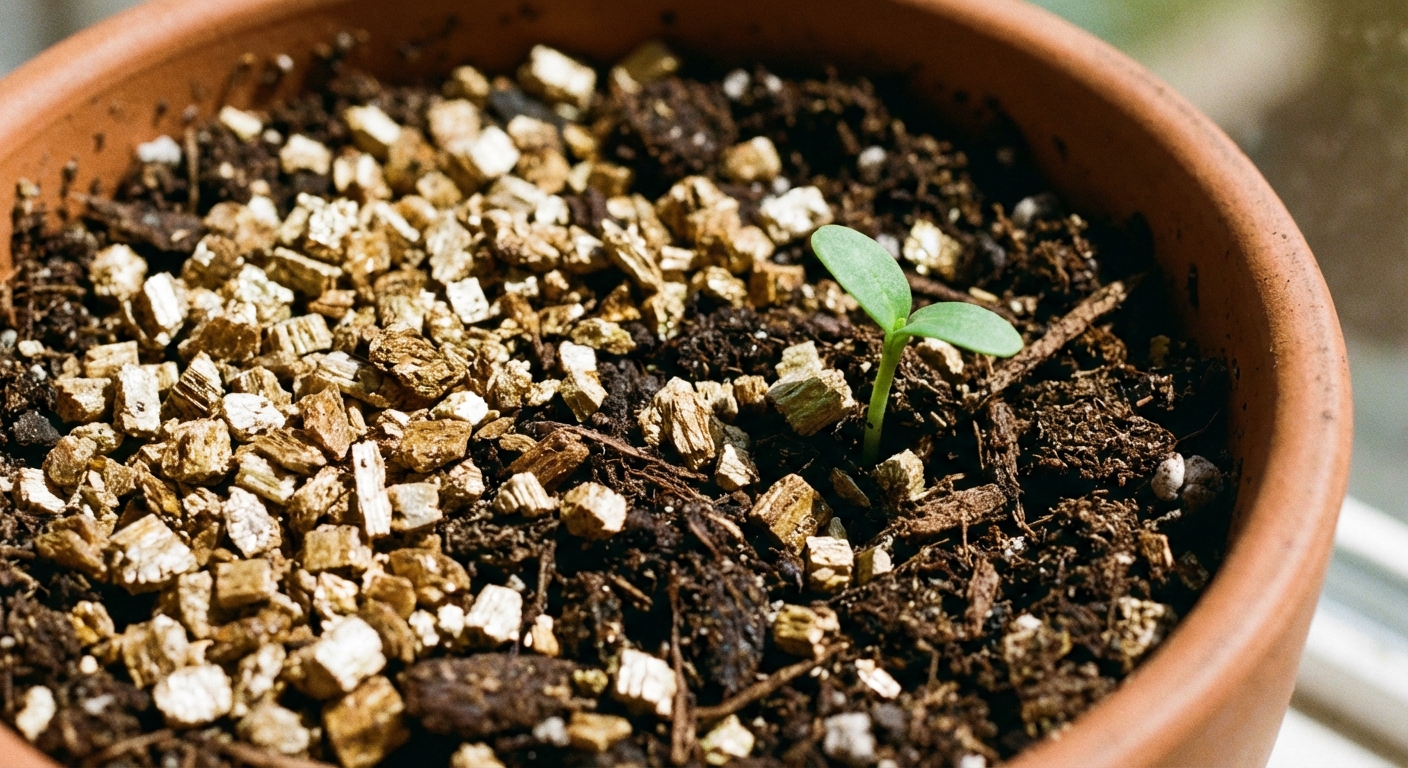
Vermiculite is made of hydrated laminar minerals (aluminum-iron magnesium silicates) that look like shiny flakes. When heated to over 1000°F, the water trapped inside turns to steam, causing the mineral to expand (exfoliate) into worm-like strands.
This process creates a lightweight, sterile, and absorbent material that is perfect for gardening. Unlike other soil amendments, vermiculite acts like a sponge, holding onto water and essential nutrients, releasing them slowly as your plants need them. Learn more about vermiculite vs perlite to understand which soil amendment is right for your plants.
What Does Vermiculite Do?
It acts as a soil conditioner that permanently improves the structure of your soil. Here are the three main benefits:
Superior Water Retention
Vermiculite can absorb 3-4 times its weight in water. This means less watering for you and consistent moisture for your plants' roots.
Improved Aeration
Its unique structure prevents soil compaction, allowing roots to breathe and grow freely without resistance.
Nutrient Holding
It has a high Cation Exchange Capacity (CEC), meaning it attracts and holds nutrients like potassium, calcium, and magnesium, making them available to plants.
Vermiculite vs. Perlite
Which One Should You Choose?
While both are volcanic minerals used in gardening, they serve different purposes. Perlite is best for drainage and is ideal for plants that hate "wet feet" like succulents and cacti. Read our complete guide on what is perlite for more details.
Vermiculite, on the other other hand, is the king of moisture retention. Choose vermiculite for seed starting, tropical plants, and vegetables that love consistent moisture. For a detailed comparison, check out our perlite vs vermiculite guide.

What is Vermiculite Used For?
Seed Starting
Use 100% fine-grade vermiculite or mix 50/50 with peat moss. This provides the perfect balance of moisture and aeration for delicate seedlings to root.
Potting Mix Amendment
Wondering how much vermiculite to add to soil? A general rule is to add 1/3 to 1/2 vermiculite to your standard potting soil. This is especially beneficial for moisture-loving plants like ferns, peace lilies, and spider plants. For plants that need better drainage, consider learning about pumice vs perlite alternatives.
Lawn Top Dressing
After seeding your lawn, spread a thin layer (1/4 inch) of vermiculite over the seeds. It keeps them moist and accelerates germination rates significantly.
Bulb Storage
Store non-hardy bulbs (like Dahlias or Cannas) in a box filled with dry vermiculite over winter. It absorbs excess moisture to prevent rot while keeping them from drying out completely.
Comparison Table
| Feature | Vermiculite | Perlite |
|---|---|---|
| Water Retention | High (Sponge-like) | Low (Drains quickly) |
| Aeration | Moderate | Excellent |
| pH | Neutral to slightly alkaline | Neutral |
| Best For | Seed starting, tropicals | Succulents, cacti |
| Weight | Light | Very Light (Floats) |
Is Vermiculite Safe?
✅ Yes, Modern Vermiculite is Safe
You may have heard concerns about asbestos in vermiculite. This was related to a specific mine in Libby, Montana, which was closed in 1990.
Today, horticultural vermiculite is mined from safe deposits around the world and is rigorously tested to ensure it is asbestos-free. It is non-toxic, odorless, and safe to handle for all your gardening needs.
Frequently Asked Questions
What is Vermiculite?
Vermiculite is a naturally occurring mineral (aluminum-iron magnesium silicate) that expands when heated to over 1000°F. This expansion process, called exfoliation, creates lightweight, sterile, and highly absorbent granules that are perfect for gardening. Vermiculite can absorb 3-4 times its weight in water, making it an excellent soil amendment for moisture retention, aeration, and nutrient holding. It's commonly used for seed starting, potting mixes, and improving soil structure in gardens.
Can I mix Perlite and Vermiculite?
Absolutely! Many gardeners use a mix of both (e.g., 1 part perlite, 1 part vermiculite, 2 parts peat moss) to get the best of both worlds: drainage from perlite and moisture retention from vermiculite. For more details, see our perlite vs vermiculite comparison.
Does Vermiculite expire?
No, vermiculite is a mineral and does not decompose or expire. As long as you keep it dry and clean, you can store it indefinitely.
Is it organic?
Yes, vermiculite is a naturally occurring mineral. It is widely accepted in organic gardening practices as a soil amendment.